When a Gate Moves: Building a Safer Hunting Access Plan Around Habitat Work
Transitioning Access: Creating a Safer Hunting Access Plan During Habitat Work
When changes happen, like a gate being moved or a trail being closed it's important to have a clear access plan to keep things safe and protect the environment. Not managing access properly during these times can cause accidents harm the habitat or lead to problems, between club members. The goal is to come up with a to-follow plan that makes it easy and safe for people to get to the area before they bring their hunting gear or a vehicle.
Assessing Changes: Check the Site First
Before you change maps or update access details do yourself a favor: go to the area. Walk around. A path that looks clear might end suddenly because of a gate, wet and muddy ground or construction. Take notes on what you find: why the changes are happening, what the changes are and when the regular paths can be used again.
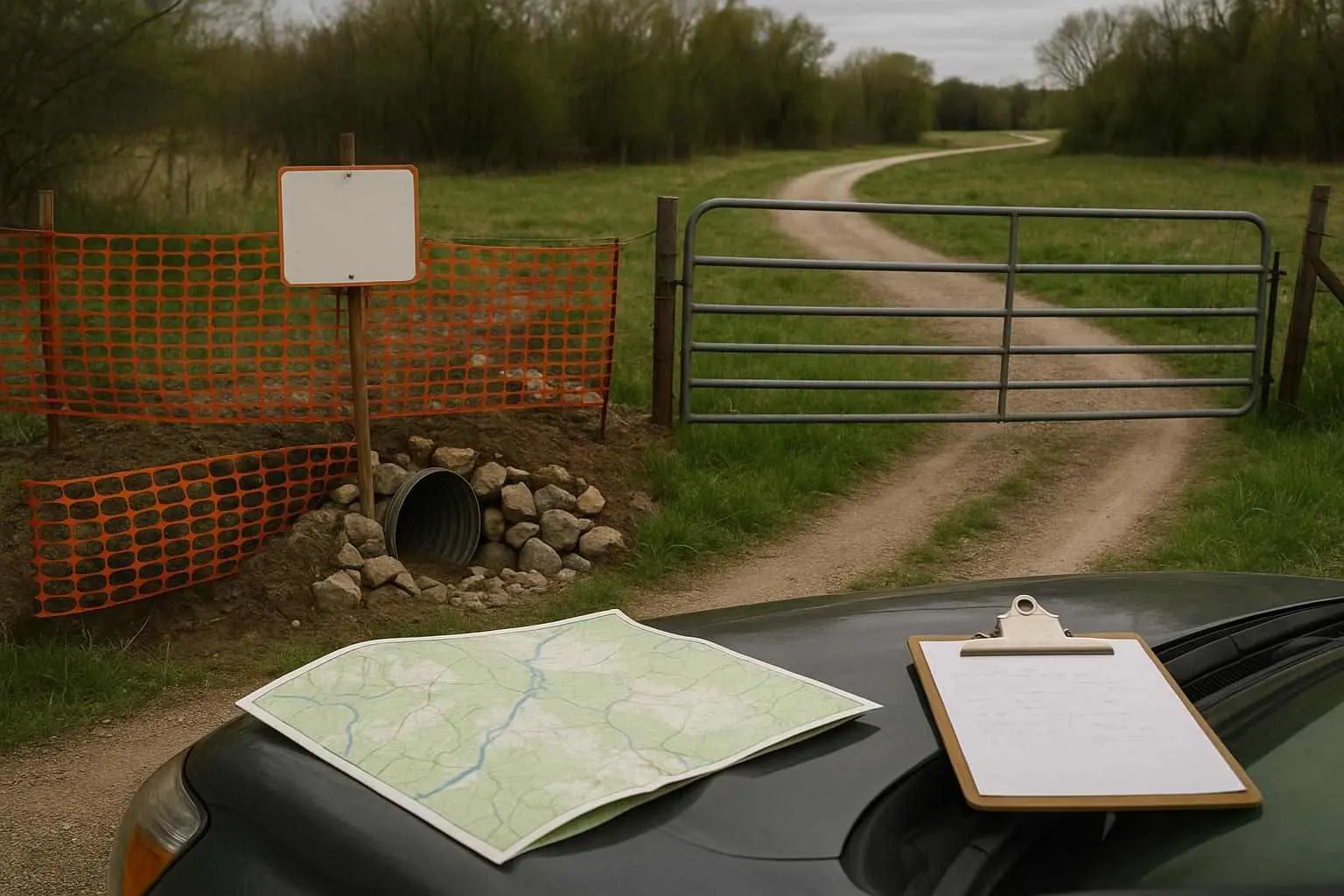
Talk clearly. Of using words like " improvements " say something like "North field access is closed during culvert work; use the gravel entrance from the county road." Be specific about where people can park and how to get there making sure the options work for people with equipment especially when its dark.
Choose a path that has ground good visibility and doesn't hurt areas. Also make sure there is a place where farm vehicles and emergency cars can still get through. If there is no alternative think about closing the area for a while to be responsible.
Building a Full Access Plan
Putting together an access plan means answering the questions people will have: Where can they come in? Where can they park? Which paths are closed? What else is happening nearby? Who should they call if things change?
Use one map that's always up to date. Show clearly where the access is open or closed and mark the areas where work is happening and where people should not go. Don't add paths that might confuse people about what's open.
Think about setting up a system that checks conditions of just using the calendar. Heavy rain, a lot of movement from machines or reports of erosion on paths should make you check the access again. For paths that change with the seasons say clearly when the restrictions will end.
Talking to Members Clearly
The plan should share the changes through the club's ways of communication. Don't stop there. Put up a sign at the entrance if possible. The sign should show the date it starts what the changes are, where the new route is, what the safety issues are and who to call for help.
Don't hide the route changes in messages. Put that information in a place use the words for gates and fields and give simple clear instructions like, "Don't drive past the orange barrier." If the hunting dates are changing, let people know as they get ready to travel.
Ask members to tell you about any problems like branches washed-out paths or bad signs. Treat these reports as things to check not as emergencies in areas where work is still happening.
Keeping the Habitat Safe While Allowing Access
Changing the way people get to an area can cause harm without people realizing it. More people walking on the paths can make them wider show soil stop birds from nesting or let people go into places that are very sensitive. Also parking close to areas can make deep tracks that cause more erosion after the work is done.
Focus on picking the paths that cause the damage and clearly say what is not allowed. If people must stay on paths or only use surfaces say where they can load and unload safely. Don't let temporary paths become permanent because people forget to watch them.
Watch for signs of damage like tracks, paths near gates more trash or people going into closed areas. Sometimes a longer route is better than an one that keeps breaking and needs fixing.
Checking Safety and Rules Before Opening Again
Before letting people use an entrance make sure it is allowed and that parking and crossing rules are still correct. Local hunting rules and other laws can change, so always check the details from your state wildlife agency or local officials before you send any messages. Club rules don't take the place of the law.
Check the path for what people will see. Look for places where you can't see well things, low hanging objects and spots where people might not see clearly from the road or work area. Make sure the new parking doesn't block emergency vehicles or put people in the middle of traffic.
Use this checklist:
– Is the path allowed and good for the people and vehicles that will use it?
– Are the closed areas, work zones and parking limits shown correctly on the map?
– Does the sign explain why the change is happening, when it starts, where the new route is and who to call for more info?
– Have the possible effects on the habitat and landowner rules been looked at?
– Have all local hunting rules and access conditions been checked?
– Is there a plan to check the area again or go back to the path?
Take a friend along for the check. They might spot things a map can't show, especially when its dark or after rain. One person walks the path while the other checks the signs, sightlines and places where people might stop without meaning to.
Reopening Carefully. Keeping Records
When the work is done take time to look at the area again. Make sure all machines are gone and no dangers are left. Check if the new habitats are safe and what changes are needed. Update the access details. Tell members about any rules.
Keep a record of the closure the checks, what members reported and the decisions to open up. This will help people in charge showing what worked without relying on memories. Focus, on watching what's happening explain why choices were made check that rules are followed and make sure comfort doesn't come before safety.