Planning a Hunting Club Workday Around Tasks Members Can Finish
Before the tools are put to use, a workday can quickly lose momentum. It is not that there is a lack of willing hands to complete tasks, but rather the many vague goals and hidden preparatory work. And when all is said and done, most things take way more time than one has with all the other work that is to be done to maintain the property and complete subsequent work to create more habitat for wildlife.
Start with the problem members can see
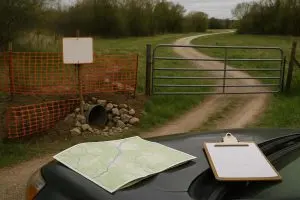
Start with a short walk through the habitat to identify the most obvious and practical needs – a gate that is difficult to open, a narrow trail that is clogged with fallen branches, an eroded area that is slowly washing away, a blocked drainage route, an overgrown area that is becoming confusing to access. Members can recognize these problems without a long explanation of the needs of the habitat.
This job can be described in a few simple sentences. For example: "Clear the marked section, stack cut brush away from the travel path and do not cut down standing trees". By clearly laying out what needs to be done to complete a task members will know what they have accomplished and the club will have a clear record of what was completed.
Small completed repairs are far more useful than half finished large projects. As a club, it is also useful to have a clear record of what needs to be done and have that cataloged so that at future meetings, that same area of need does not get re-discussed from scratch.
Break habitat work into finishable member tasks
Divide habitat work into a variety of tasks that require varying amounts of effort and wisdom. Many large conservation projects have many different types of work. Thus, assign task that require marking out a work area, removing trash, removal of light vegetation along a laid out work area, inspection of a completed edge for hazards or other unintended damage, staging of materials before use, and taking photos of habitat work before and after for club records.
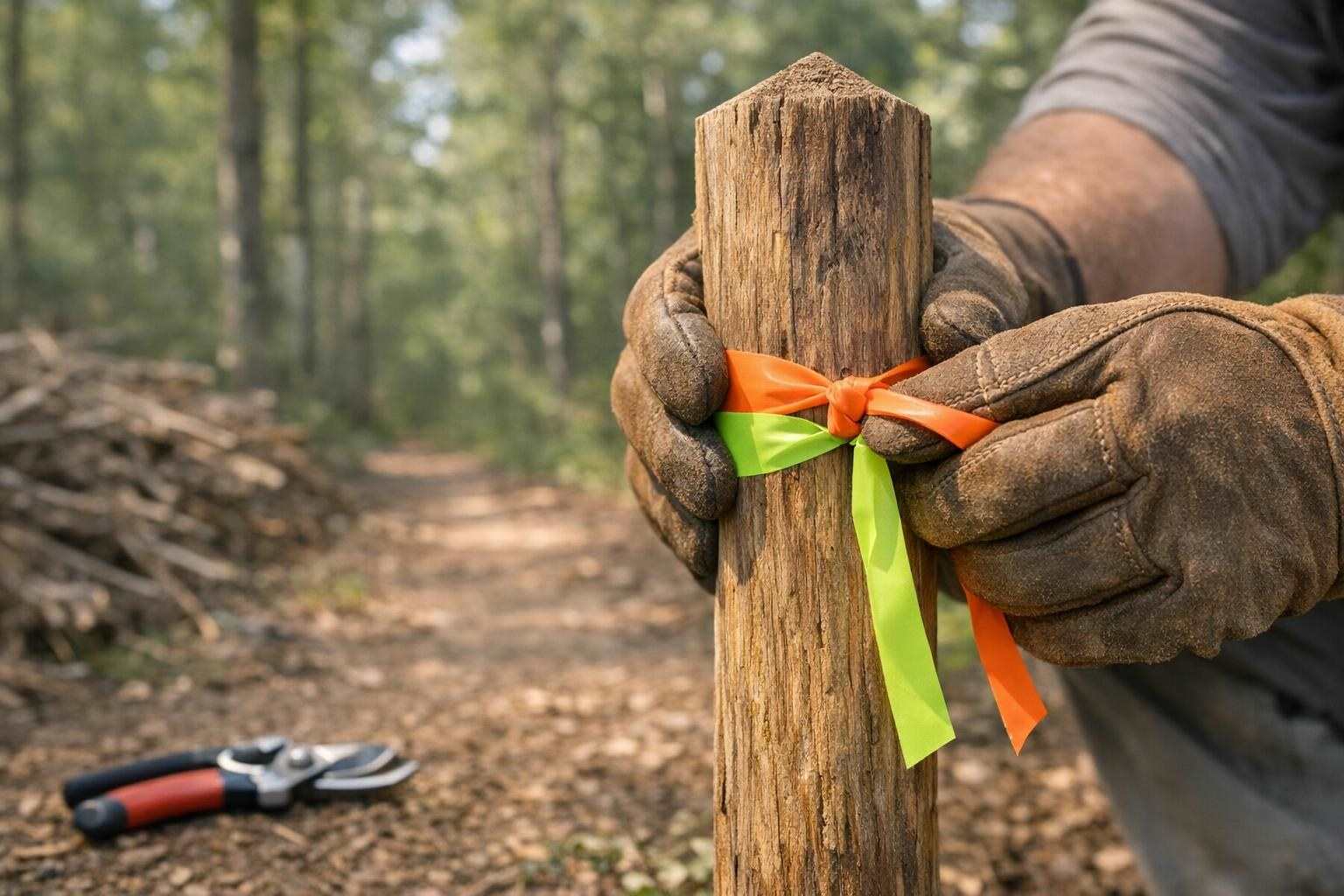
So instead of letting the workday just meander aimlessly until the tools are stowed, paint scrubbed and members released to go home, create assignments that feed to specific needs members can address within the umbrella of habitat work. Clearing light vegetation along an established route is a lot easier to grasp than Remove all weeds and brush. Take a look at tasks like: marking a boundary; removal of trash; check signs; organization of tools/materail to be used; documentation via photographs for habitat club records; completion of a section and "sweeping" for loose wire, exposed nails, damaged trees etc. that may block a path.
Assign an owner for each task with a location, required tools, and a completion point to direct volunteers when to stop work in case they get consumed by the task and lose sight of the end goal. Projects that impact water, mature trees, property lines or are related to habitat preservation or involve heavy equipment require special approval in addition to normal club work.
Combine short and long-term projects so those with limited time can still complete something of value to the club and those who wish to stay longer will have enough to keep them engaged throughout the day.
Match the plan to people, tools, and conditions
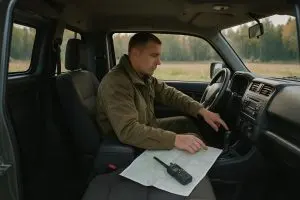
It is also important to count the dependable resources (e.g. people with tools to move them) as opposed to the hopeful ones (e.g. people who sign up but do not show up). In planning it is a good idea to confirm the person or people who are going to coordinate each area of work, as well as check that you actually have the necessary resources to complete the work (e.g. vehicles, tools) and can actually get them to the site of the work.
More tasks equal more flexibility but also a greater risk of getting lost in the woods so it is best to stick with a few core tasks of high value and add a few "filler" tasks of very low risk that can be used as needed (e.g. sign inspections, litter removal, documentation of work already completed).
The forecaster can do nothing about the weather, but the event organizer can decide what will be done on any given day and have an alternative activity ready to go if needed. This is true whether one is leading a group of volunteers or merely coordinating the work of others. And it is better to reschedule a task than to risk damage to habitat or trail.
Each task should have the same information listed for people i.e. a tool list. This will ensure that the right tools for the job have been brought and that there are enough for each task. Additionally, any special equipment such as a trailer or protective gear should be noted.
Put hunting club safety into the briefing
Finally, review your safety procedures for the habitat work that you are planning. These should be specific for the property where you are working. Review the boundary of the work area, the routes that you will take with vehicles, your communication, first aid etc. also, make sure that everyone knows who to turn to in case of an emergency or if for some reason you need to cease work for safety reasons.
For activities such as chopping, using powered tools, lifting, uneven ground or work being undertaken in remote areas, it is best to assign a task based on the member's ability to complete the task safely. Ensure less experienced members are paired with more experienced club members and that photographers, signed up to observe or sign post, stay clear of work in progress.
As habitat work and hunting activity are two different types of activity it is best to schedule habitat work for a different time and area. Draw a schedule for the event including the time that members arrive for the event and the time that they leave. Set out the club's rules and any other requirements for the work being done and include current official safety and legal requirements for the activity.
Delaying a 15-minute break in the middle of the workday can reveal certain problems (weariness, missing tools, damaged fences, fuzzy boundaries etc.). That which was intended to be left as it is may be altered inadvertently by over-zealous club members. Complete clean-up of tools and of work-site rubbish must occur before members depart the property.
Close the loop before members leave
Complete all the aspects of your work. Ensure other members of your crew complete all the aspects of their work too. Make sure all tools and any other equipment and waste are removed from the habitat. Check gates, signs and all access routes have been left in the same condition as found.
These need to be recorded in as simple of terms possible for later reference. The location of where work was done, what work was completed, the materials used (if any) and any problems encountered. Using photographs at consistent points of view can be useful for viewing later progress but the photos must also be added to the written record.
Ask members to comment on the following question during the closing discussion: Were there any particularly good or poor aspects of the assignment? In isolating these factors, useful information can be garnered for subsequent implementation of volunteer days for the better completion of habitat work for the property.
The best volunteer day is not the day you can cram the most work into, it's the day you leave with a sense of what you accomplished, the property was benefited by your time and you are left with a clear sense of what the next step will be.