A New Member’s Guide to Responsible Hunting Club Participation: The Details That Matter Most
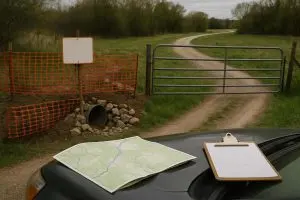
Before your first hunt with a club, decide what you will do if your preferred access point, parking area or hunting location is already in use. That choice reflects the habits that make shared land work: check the plan, communicate before moving, and accept that another member's safe use takes priority over convenience. Treat participation as a responsibility, not a pass to roam. Arrive prepared, confirm the rules, leave the property in better condition, and make decisions other members can understand.
Start with the club's access plan, not your assumption
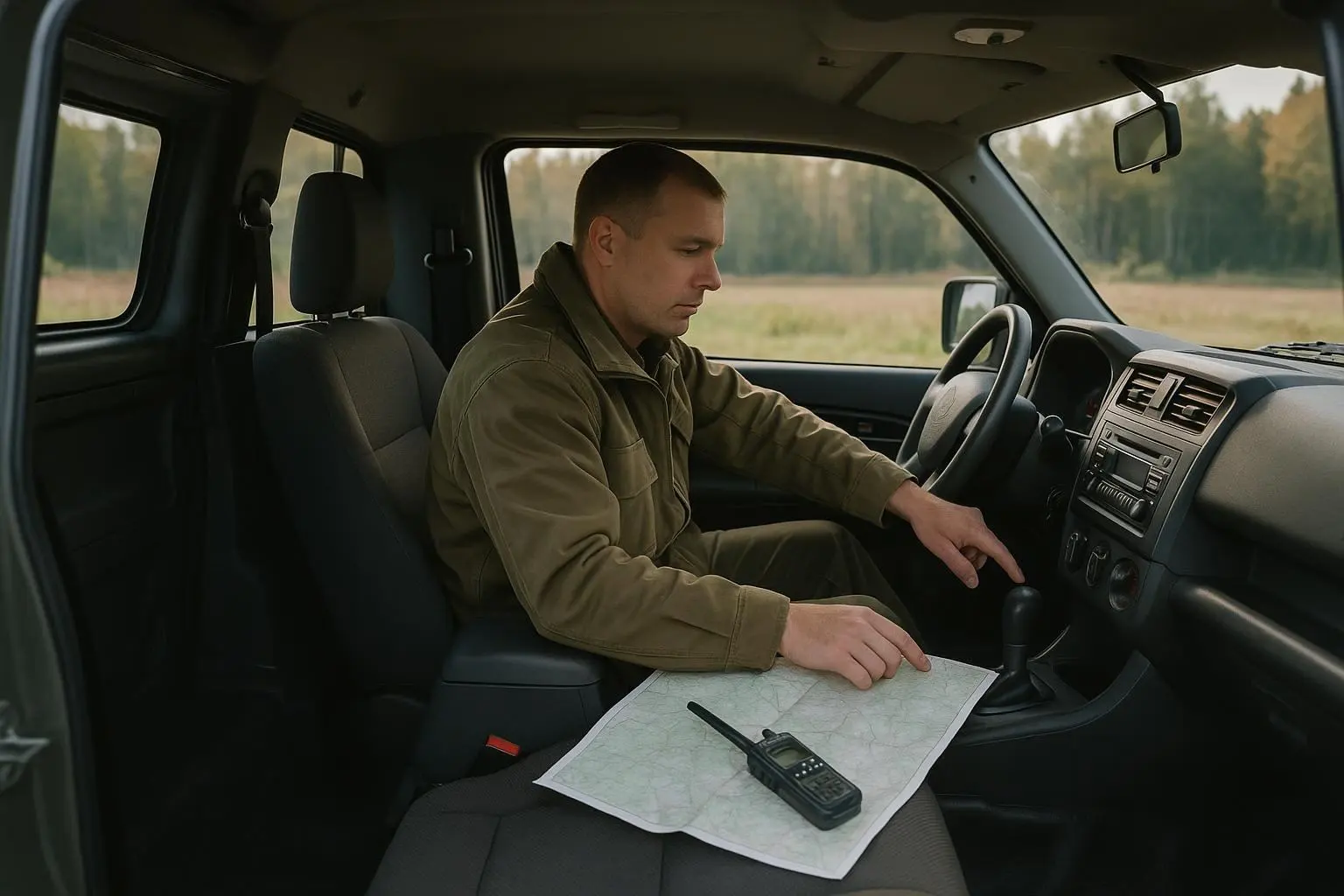
If you arrive and find a vehicle near the gate you expected to use, do not drive farther in, park wherever the ground looks firm and begin scouting. Check the current access map, sign-in process, messages or other approved communication method. Contact the responsible person or member if the plan remains unclear.
Access plans may identify gates, roads, parking areas, restricted zones, seasonal closures and places where vehicles must remain. They may also distinguish between permission to enter and permission to hunt. A field can be open for passage while a particular stand, trail or habitat project area remains unavailable.
Before your first outing, ask which gates should remain closed, where vehicles can turn around, whether areas are reserved for maintenance or another member's scheduled hunt, and whether weather has made a route too soft to use. If you cannot confirm where to go, pause. Waiting for an answer is better than creating a track, disturbing another hunt or forcing someone else to guess where you are.
Make communication part of the hunt
Good club participation depends on information that is early, specific and easy to verify. "I'm heading out" may not tell others enough. State the date, general area, expected arrival and departure, and any access route that could affect another member. Use the club's preferred system; do not assume a private text reaches everyone who needs to know.
Update the relevant record or contact if you leave early, switch areas, bring a guest or notice a damaged gate. Guests should understand the club's rules before entering, including where to park, how to identify permitted boundaries and what to do if plans change.
Keep disagreements factual. If two members believe they have the same location, step away from an argument and confirm the schedule or map through the established process. Seniority, habit or a better-looking spot does not prove priority.
Treat safety as a shared boundary
Safety includes more than handling equipment correctly. Know who may be nearby, identify property boundaries, and maintain a clear plan for arrival, departure and emergencies. Before settling into a location, confirm the direction of any potential shot, what lies beyond the target area, and whether roads, homes, trails, livestock or other members could be affected. If you cannot establish a safe backstop and clear target, do not take the shot.
Carry equipment appropriate to the conditions, follow club requirements, tell someone where you will be, and stay within legal and club-approved hunting hours. Avoid alcohol or any substance that could impair judgment. Do not handle a firearm or other hunting equipment casually around vehicles or people.
If visibility, weather or fatigue makes the situation uncertain, end the hunt. A filled tag is never a reason to continue after conditions become unsafe. Report an incident, near miss, lost item or damaged safety feature through the club's normal channel, even if nobody was hurt.
Let stewardship shape everyday choices
Habitat stewardship often appears in ordinary actions. Use established routes when conditions allow, avoid driving across wet ground, leave gates as you found them, and carry out discarded material. Do not cut vegetation, move signs or alter a trail to improve one hunting location without club approval.
An attractive clearing may seem to need a new access path, but that change could cause erosion, disturb cover or interfere with a habitat plan. Ask before changing anything. The same caution applies to cameras, blinds, stands, mineral products, baiting practices and tree work: local law and club rules may differ, and permission from one person may not be enough.
Report conditions instead of trying to fix every problem yourself. A blocked culvert, invasive plant, broken boundary marker or eroded trail can be recorded with a location and clear description. If the club has a conservation schedule, follow its timing and methods. Coordinated repairs are safer and, where possible, reversible.
Verify rules before each season and each method
Hunting regulations can change, and club permission does not replace a license, tag, required education, landowner condition or other legal requirement. Check current guidance from the relevant state or provincial wildlife authority before hunting, especially when changing species, equipment, season, property or method. Confirm requirements for harvest reporting, transporting game, required safety clothing, and using bait, dogs, lights or specialized equipment where applicable.
Do not rely on an old screenshot, remembered date or advice from a member who hunts a different area. Keep club rules and official regulations separate: one governs membership and property use; the other sets legal requirements. If they conflict, stop and seek clarification before proceeding.
Use this pre-hunt check when the plan is uncertain:
– Confirm the current access plan, boundaries and parking instructions.
– Record your area and timing through the approved club channel.
– Check licenses, tags, seasons, equipment rules and reporting duties.
– Tell a trusted person where you will be and when you expect to return.
– Inspect conditions for safe travel, visibility and a reliable backstop.
– Leave gates, soil, vegetation, signs and shared facilities as you found them.
The new member who handles an access conflict calmly earns trust without announcing it. Responsible hunting is visible in choices that prevent confusion: checking before entering, giving others usable information, following current regulations and treating habitat as a shared asset. Those habits make participation safer and help the club care for the land over time.